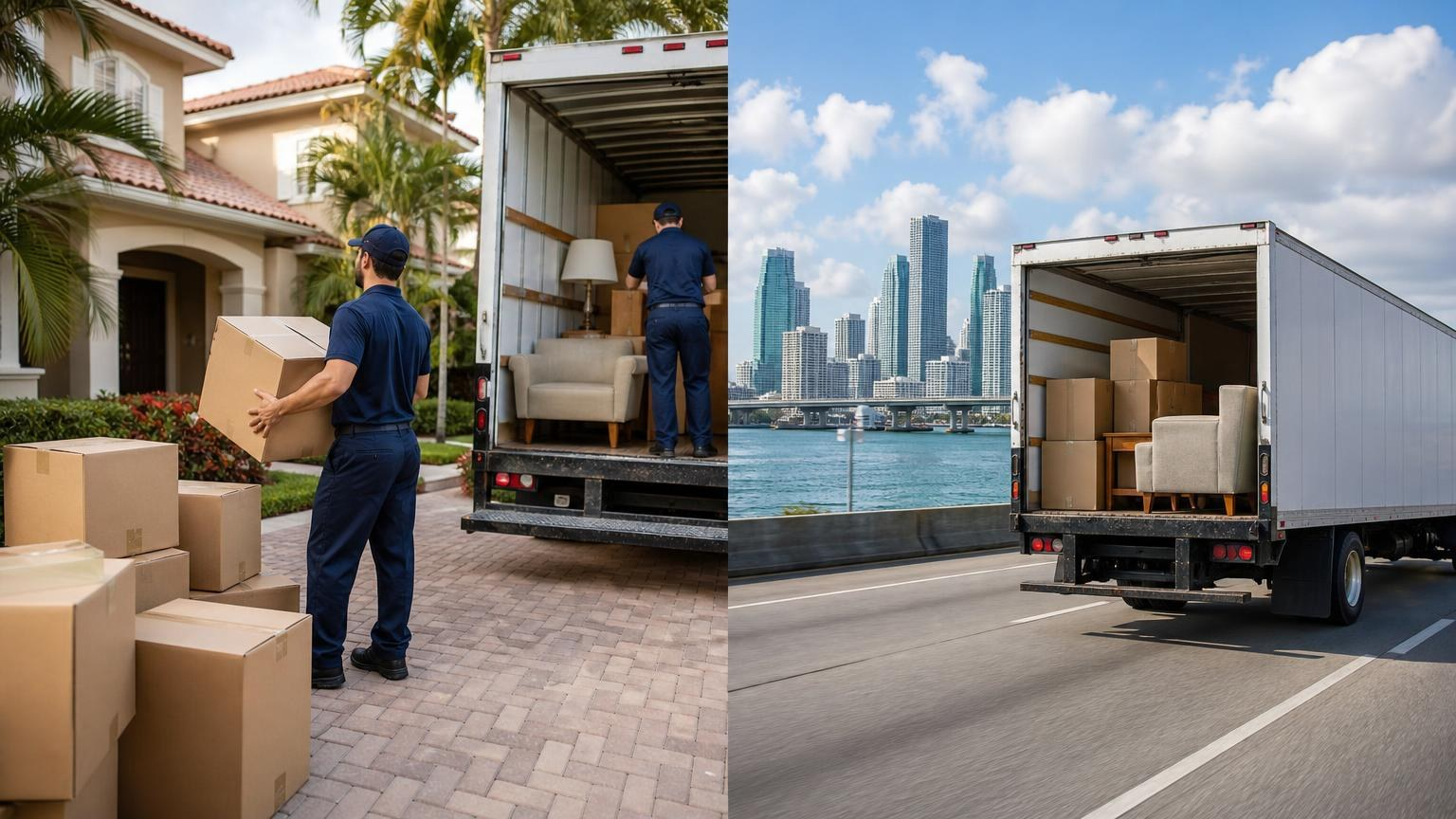

Small businesses across the United States ship millions of packages and pallets every year, but most of them aren’t filling entire trucks. If you’re moving 4 pallets instead of 24, you’re paying for a lot of empty air – unless you’re smart about it. That’s where consolidated shipping enters the picture, and for small operations trying to compete with companies that have massive logistics budgets, understanding how this process works isn’t optional. It’s the difference between healthy margins and watching your profits get eaten by freight costs. The concept is straightforward: instead of paying for an entire trailer, your goods share truck space with shipments from other businesses heading in the same direction. But the mechanics behind it, the players involved, and the pitfalls you need to watch for are more nuanced than most people realize. Whether you’re shipping finished goods to retailers, raw materials between facilities, or e-commerce orders to a distribution center, the consolidation model can reshape your cost structure – if you know what you’re doing.
The Fundamentals of Consolidated Shipping for Small Enterprises
Consolidated shipping is the practice of combining multiple smaller shipments from different shippers into a single full truckload. A consolidator, usually a third-party logistics provider or freight forwarder, collects goods from several businesses, groups them by destination region, and loads them together for transport. The shipper pays only for the space their freight actually occupies rather than the full cost of a dedicated truck.
For small businesses in the USA, this model fills a critical gap. You might not have enough product to justify a full truckload shipment, but your volume is too large or too heavy for standard parcel carriers like UPS or FedEx. Consolidated freight sits right in that sweet spot, giving you access to truckload pricing without needing truckload volume.
Defining LTL vs. FTL Shipping Models
The two primary freight shipping models are less-than-truckload (LTL) and full truckload (FTL). FTL means you’re booking an entire 53-foot trailer for your goods alone. Your shipment goes from origin to destination without stops, which is fast but expensive if you can’t fill the trailer. In 2026, a standard FTL shipment within the continental US runs anywhere from $1,800 to $5,000+ depending on distance and lane.
LTL shipping, by contrast, lets you ship smaller quantities – typically between 150 and 15,000 pounds – by sharing trailer space with other shippers. LTL carriers operate hub-and-spoke networks, picking up freight from multiple shippers, bringing it to a terminal, sorting it, and then loading it onto outbound trucks headed toward the right destinations.
Consolidated shipping overlaps significantly with LTL but isn’t identical. True consolidation often involves a third-party intermediary who actively pools shipments to create full truckloads, which can mean fewer handling points and potentially lower rates than traditional LTL carriers. Think of it as a curated version of LTL, where someone is strategically building loads rather than just accepting whatever freight shows up at a terminal.
The Role of Consolidation Centers and Hubs
Consolidation centers are the physical locations where the magic happens. These are warehouses, typically located near major freight corridors or population centers, where shipments from multiple businesses are received, sorted, and combined into outbound loads. Major consolidation hubs in the US cluster around cities like Chicago, Dallas, Atlanta, Los Angeles, and Memphis, chosen for their proximity to interstate highways and existing freight infrastructure.
A consolidation hub might receive 30 separate shipments on a Monday morning from businesses scattered across a metro area. Staff sort those shipments by destination zone: everything heading to the Northeast goes on one truck, everything bound for the Southeast on another. The hub functions as a matchmaker, pairing your 6 pallets with another company’s 12 pallets and a third company’s 8 pallets until a trailer is full.
Some larger 3PL providers operate their own consolidation centers, while others partner with warehouse networks. The location of these hubs matters to you because proximity affects pickup costs and transit times. If you’re a small manufacturer in Phoenix and your consolidator’s nearest hub is in LA, you’re adding a day of transit and potentially a separate pickup charge before consolidation even begins.
Step-by-Step Mechanics of the Consolidation Process
Understanding the actual flow of goods through a consolidation network removes a lot of the mystery and helps you plan your shipping timelines more accurately. The process has three distinct phases, each with its own logistics considerations.
Collection and Sorting at the Warehouse
The process starts when you book your shipment with a consolidator or 3PL provider. You’ll provide details about your freight: dimensions, weight, commodity type, origin, and destination. Based on this information, the consolidator schedules a pickup, either sending their own truck or arranging a local carrier to collect your goods.
Once your shipment arrives at the consolidation warehouse, it gets checked in, inspected for damage, and logged into the warehouse management system. Workers sort incoming freight by destination region, grouping shipments that are heading the same direction. This sorting process is where timing gets tricky for small businesses: your shipment might arrive on Tuesday but not move out until Thursday because the consolidator is waiting to accumulate enough freight for a full load heading to your destination zone.
Some consolidators operate on fixed schedules, departing for specific regions on set days regardless of whether the truck is completely full. Others wait until they hit a volume threshold. Ask about this before you commit to a provider, because it directly affects your delivery timeline.
Palletization and Load Optimization
Once enough freight is grouped for a destination, the consolidation team builds the load. This is part art, part science. Load planners use software to determine the most efficient arrangement of pallets and freight within the trailer, accounting for weight distribution, stackability, and the order in which shipments need to come off the truck at various stops.
Your 4 pallets of packaged food products might end up stacked beneath 6 pallets of automotive parts from another shipper, which is fine if your packaging can handle the weight. If it can’t, proper communication about freight characteristics is essential. Misrepresenting your freight’s stackability or fragility can result in crushed goods and denied damage claims.
Weight distribution matters too. Federal regulations cap truck weight at 80,000 pounds gross (including the truck itself), and axle weight limits mean you can’t just pile everything in the back. Professional consolidators handle this daily, but it’s worth understanding because overweight loads cause delays, fines, and rerouting that trickle down to every shipper on that truck.
Deconsolidation and Final Mile Delivery
When the consolidated truck reaches the destination region, the process essentially runs in reverse. The trailer arrives at a deconsolidation point, which might be another warehouse, a cross-dock facility, or a regional terminal. Workers unload the trailer, separate individual shipments, and arrange final delivery.
Final mile delivery is where things get interesting for small businesses. Your freight might transfer to a smaller local delivery truck for the last leg to your customer’s warehouse or retail location. This handoff adds another touchpoint where damage can occur, and it’s also where delivery appointments and receiving hours come into play.
If your customer has strict receiving windows (say, only accepting deliveries between 7 AM and 11 AM on weekdays), the deconsolidation team needs to coordinate accordingly. Missed delivery windows mean your freight sits overnight, adding cost and delay. Make sure your consolidation partner knows about any delivery restrictions upfront.
Strategic Benefits for Growing US Businesses
The financial and operational advantages of consolidated shipping go beyond just saving money on freight bills, though that’s certainly the headline benefit.
Reducing Freight Costs through Shared Space
The math is simple and compelling. If a full truckload from Chicago to Miami costs $3,200, and your shipment takes up one-quarter of the trailer, your share through consolidation might be $900 to $1,100 instead of paying the full $3,200 for a mostly empty truck. That’s a savings of 65-70% on that single shipment.
Across a year, these savings compound dramatically. A small business shipping 10 pallets per week that switches from booking individual LTL shipments to a consolidation program can typically reduce annual freight spend by 15-30%. For a company spending $150,000 a year on shipping, that’s $22,500 to $45,000 back in your pocket.
The savings come from several places: shared linehaul costs (the long-distance portion of the trip), reduced fuel surcharges per shipment, and often better rates because your consolidator is moving full truckloads and can negotiate volume discounts with carriers that individual small shippers can’t access.
Improving Inventory Control and Scalability
Beyond cost savings, consolidation helps small businesses manage inventory more predictably. Instead of shipping small quantities multiple times per week with variable transit times, you can batch shipments through a consolidator on a regular schedule. This creates a more predictable inbound flow for your customers or your own distribution points.
Scalability is the other big win. As your business grows, consolidated shipping scales with you naturally. Shipping 4 pallets this month and 12 next month? Your consolidator adjusts your space allocation without requiring you to renegotiate contracts or switch carriers. You’re not locked into minimum volume commitments the way you might be with a dedicated FTL contract.
This flexibility is particularly valuable for seasonal businesses. A small outdoor furniture company that ships heavily from March through August and barely at all in winter can use consolidation year-round without paying for capacity they don’t need during slow months.
Key Challenges and Risk Mitigation
Consolidated shipping isn’t without drawbacks. Being honest about the trade-offs helps you plan around them rather than getting blindsided.
Managing Longer Lead Times and Transit Windows
The biggest trade-off is speed. A dedicated FTL shipment from Dallas to Atlanta takes about 2 days. The same route through a consolidation network might take 4-7 days because your freight sits at the consolidation hub waiting for enough volume to build a full load, then potentially stops at intermediate points along the way.
For time-sensitive goods, this can be a dealbreaker. If you’re shipping perishables, just-in-time manufacturing components, or products with firm delivery deadlines, you need to build extra buffer time into your planning. Some consolidators offer expedited consolidation services for a premium, but at that point you’re eroding the cost advantage.
The best approach is to segment your shipments. Use consolidation for routine, non-urgent freight where you can plan ahead, and reserve LTL or FTL for shipments with tight deadlines. Most businesses find that 60-70% of their freight is a good fit for consolidation, with the remainder needing faster options.
Preventing Damage During Multiple Handling Points
Every time freight gets touched, there’s a chance something goes wrong. In a consolidation network, your goods might be handled 4-6 times: pickup, unloading at the consolidation hub, loading onto the outbound truck, unloading at the deconsolidation point, loading onto a local delivery truck, and final delivery. Compare that to a direct FTL shipment where your freight is loaded once and unloaded once.
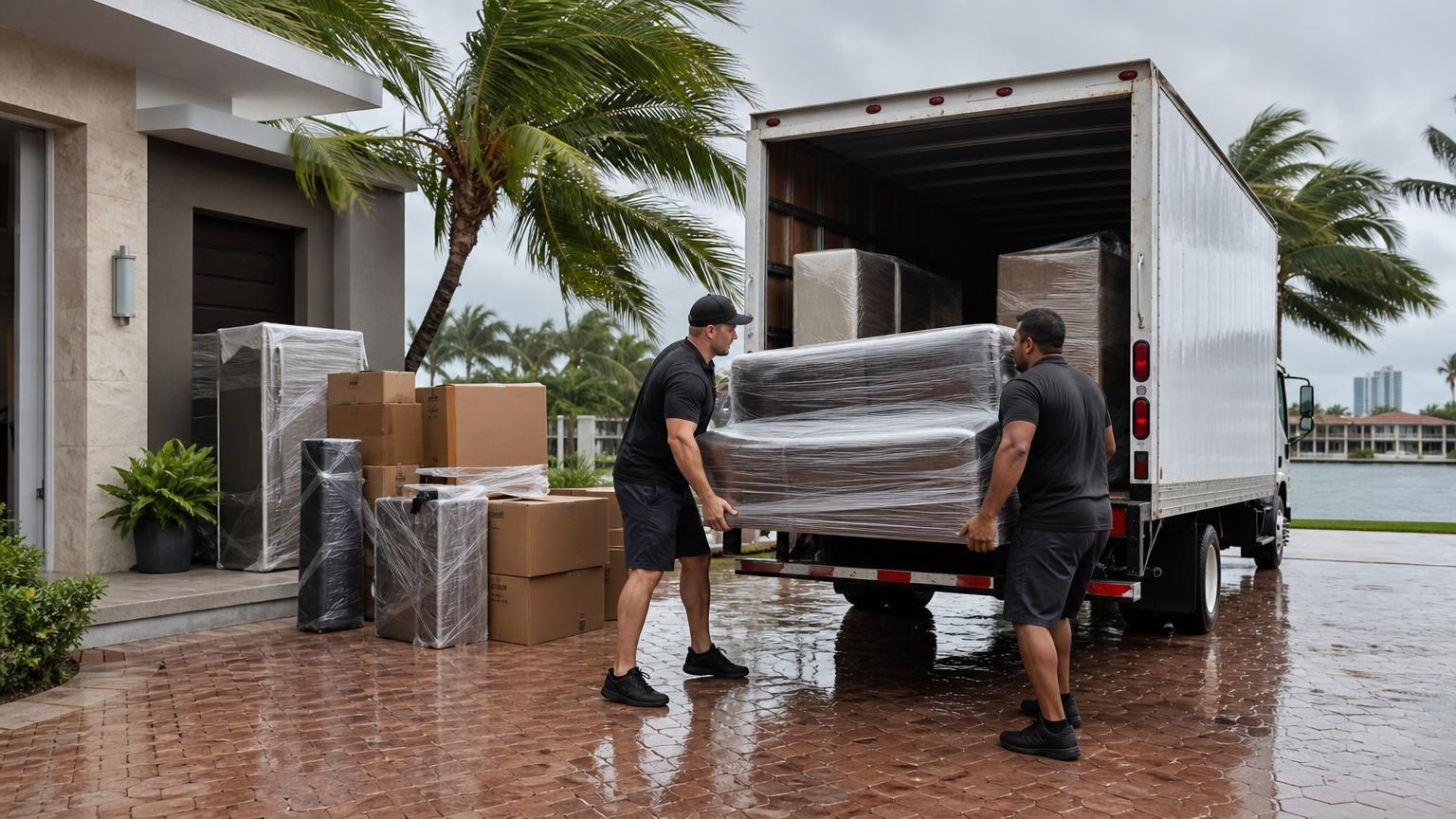
Proper packaging is your best defense. Palletize your freight securely with stretch wrap, corner boards, and appropriate dunnage. Label every piece clearly with “THIS SIDE UP” markers if orientation matters. Take photos before your shipment leaves your facility – timestamped photos are your strongest evidence if you need to file a damage claim.
- Use 48×40 inch standard pallets whenever possible (non-standard pallets cause handling problems)
- Shrink wrap pallets to the pallet base, not just around the product
- Keep individual pallet weight under 2,500 pounds for safe stacking
- Place fragile items on top of the pallet, never at the bottom
- Include packing lists inside and outside every shipment
Filing damage claims against consolidators can be more complex than with a single carrier because multiple parties handled the freight. Document everything, report damage immediately upon delivery (note it on the delivery receipt before signing), and understand your consolidator’s claims process before you ever ship with them.
Choosing the Right Consolidation Partner
Your consolidation partner can make or break the experience. The difference between a well-run operation and a sloppy one shows up in damaged goods, missed deliveries, and billing disputes.
Evaluating 3PL Providers and Freight Forwarders
Not all 3PLs offer true consolidation services, and not all consolidators are created equal. Start your evaluation with these concrete questions:
- What’s their geographic coverage? A consolidator strong in the Northeast might have sparse service to the Mountain West.
- How often do trucks depart for your key destination markets? Daily departures mean faster transit than weekly ones.
- What’s their claims ratio? Ask directly: what percentage of shipments result in damage claims? Good operators run below 1%.
- Are they licensed and insured? Verify their USDOT and MC numbers through FMCSA’s SAFER system. Any legitimate carrier or broker will have these.
- What are their actual rates, including all accessory charges? Liftgate fees, residential delivery surcharges, and inside delivery charges can add $75-$200 per shipment if you’re not expecting them.
Get references from current customers, ideally businesses similar in size and shipping profile to yours. A consolidator that handles 50-pallet shipments beautifully might not give your 3-pallet shipments much attention.
Watch for red flags: providers who won’t give you a straight answer on transit times, those who quote suspiciously low rates that balloon with surcharges, and anyone who can’t provide proof of cargo insurance. If a provider quotes you 40% below everyone else, there’s a reason, and it’s rarely a good one.
Technology Integration for Real-Time Tracking
In 2026, there’s no excuse for a consolidation partner that can’t provide shipment visibility. You should be able to see where your freight is at every stage: received at hub, loaded on outbound truck, in transit, arrived at deconsolidation point, out for delivery.
Look for providers whose technology integrates with your existing systems. If you’re running Shopify, NetSuite, or another platform, API connections that automatically push tracking updates to your order management system save hours of manual work each week. Many modern 3PLs offer EDI (electronic data interchange) connections or REST APIs that feed shipment status directly into your workflow.
Automated alerts are equally important. You want to know immediately if your shipment misses a checkpoint or if there’s an exception at delivery, not three days later when your customer calls asking where their order is. The best consolidation partners provide proactive notifications for delays, delivery confirmations, and proof-of-delivery documentation including photos.
Price matters, but technology and communication are what separate a vendor from a partner. A consolidator that saves you $200 per shipment but leaves you blind on shipment status and unresponsive when problems arise will cost you far more in lost customers and wasted time.
Making Consolidated Shipping Work for Your Business
Small businesses that treat shipping as a strategic function rather than an afterthought consistently outperform those that don’t. Consolidated shipping offers a practical path to lower freight costs, better inventory flow, and the kind of shipping flexibility that lets you compete with much larger companies.
The key is matching the model to your actual needs. Map out your shipping lanes, volumes, and timing requirements before you talk to providers. Know which shipments are consolidation-friendly and which need faster service. Build damage prevention into your packaging process from the start, and choose a partner whose technology keeps you informed without requiring you to chase updates.
If you’re spending more than $5,000 a month on freight and not using some form of consolidation, you’re almost certainly leaving money on the table. Start with one or two shipping lanes, measure the results over 60-90 days, and expand from there. The savings are real, and for most small businesses, the trade-off in transit time is well worth it.