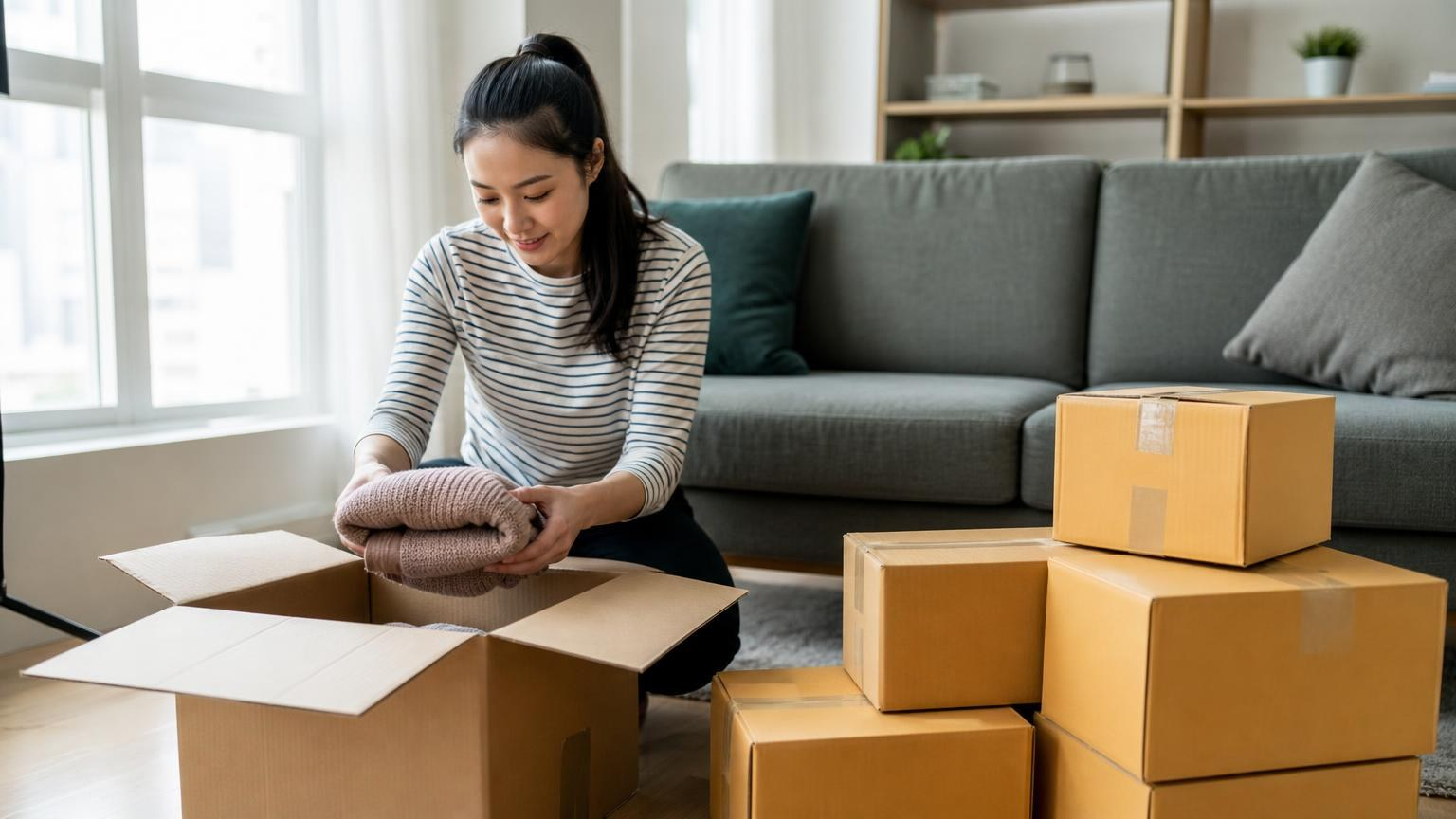

Learning how to pack when moving overseas is very different from preparing for a local move. Your belongings may spend weeks in transit, pass through customs, and travel between different handling environments before reaching your new home. Good packing protects your possessions while also making the entire move easier to manage. The right approach starts with deciding what to take, using suitable materials, documenting your boxes, and thinking carefully about what you will need before your shipment arrives.
1. Decide What Is Worth Shipping
The first step in international moving packing is deciding what deserves space in your shipment. Overseas transportation costs can be affected by the volume of your belongings, so sending everything you own is not always the most practical choice.
Walk through your home room by room and separate belongings into categories. Consider what you use regularly, what has sentimental value, what would be expensive to replace, and what you could reasonably purchase after arrival.
Start With Large Items
Furniture deserves particular attention because large pieces take up considerable shipping space. Measure wardrobes, beds, sofas, tables, and other bulky items before deciding to send them.
Think about the layout of your new home as well. A large sofa may work perfectly in an American house but may be difficult to fit into a smaller overseas apartment.
Reduce Before You Pack
Selling or donating unwanted possessions before packing can reduce the amount you need to ship. It also means fewer boxes to unpack once you reach your destination.
Give yourself enough time for this stage. Trying to make these decisions during the final days before departure usually leads to rushed choices.
2. Use Materials Made for International Shipping
Packing for an international move requires more care than packing boxes for a short local journey. Your belongings can experience handling, stacking, vibration, and changes in transportation conditions.
Use strong boxes that are suitable for moving rather than thin cartons that can weaken under weight. Fragile items should have enough cushioning to prevent movement inside the box.
Protect Fragile Belongings
Wrap glassware, ceramics, mirrors, artwork, and other delicate possessions individually. Use appropriate cushioning around each item and fill empty spaces inside the carton.
Do not rely on clothing alone to protect fragile objects. Soft materials can help, but dedicated packing materials provide more consistent protection during an overseas shipment.
Do Not Overload Boxes
A box that is too heavy becomes difficult to handle and can place additional pressure on its contents. Books are a common example because a small carton filled entirely with books can become extremely heavy.
Distribute weight across several boxes. Strong cartons are still easier to manage when their contents are packed sensibly.
3. Pack Room by Room
One of the simplest overseas moving packing tips is to maintain a clear system from the beginning. Packing randomly may seem faster, but it can make the unpacking process much harder.
Work through one room at a time and keep similar belongings together. Label boxes according to the room they belong to and describe their contents clearly.
Keep Similar Items Together
Kitchen items should stay with other kitchen items, while bedroom belongings should remain grouped together. This makes it easier to prioritize boxes when your shipment arrives.
If your new home has limited storage space, a room based system also helps you decide where boxes should go immediately after delivery.
Create a Box Numbering System
Give each box a unique number and record that number with a brief description of its contents. Your inventory does not need to be complicated. It simply needs to help you identify what was packed and where it belongs.
Photographs can also be useful, particularly for valuable or fragile possessions.
4. Separate What You Need Before Your Shipment Arrives
One of the most important parts of learning how to pack for overseas relocation is understanding that you may arrive before your household goods.
International shipments can take time to reach their destination. For that reason, your luggage should contain everything you need for the initial period.
Pack an Arrival Bag
Keep clothing, toiletries, chargers, important documents, medications, basic electronics, and other personal necessities in your luggage.
Think about the first several days rather than the first morning. Having enough essentials with you gives you flexibility if your shipment takes longer than expected.
Keep Important Documents Close
Passports, visas, identification, financial records, employment documents, school records, and other important paperwork should stay with you.
Never place irreplaceable documents inside your international shipment. Digital copies stored securely can provide an additional backup.
5. Pay Attention to Items That May Be Restricted
Not everything you own should automatically go into an overseas shipment. Countries can have specific rules concerning food, plants, chemicals, medications, batteries, firearms, and other products.
Check the destination country’s current requirements before packing anything that could raise customs concerns. If you are uncertain about an item, ask your moving company for guidance before placing it in a box.
Be Accurate With Your Inventory
Describe your belongings clearly rather than using broad descriptions. A detailed inventory can make customs processing more straightforward and gives you a useful record of your shipment.
Accuracy matters more than trying to make your shipment sound simpler. The information you provide should reflect what is actually inside the boxes.
6. Label Boxes for the Journey and the Unpacking Process
Good labels can save hours after an international move. When your belongings have been packed for a long journey, clear identification becomes even more useful.
Write the destination room and a short description of the contents on each box. Mark fragile items clearly where appropriate, while remembering that careful packing should still provide protection even when a box contains delicate belongings.
Make Labels Easy to Read
Use consistent labeling throughout the shipment. Avoid labels that only make sense to you months later, such as miscellaneous items.
A description such as kitchen cookware or bedroom linens gives you much more useful information when you are deciding what to open first.
Keep Your Inventory Accessible
Keep a copy of your packing inventory with your personal travel documents. You may need it when checking the shipment, communicating with the moving company, or identifying specific belongings after delivery.
7. Know When Professional Packing Makes Sense
Packing an entire household for an overseas move can take considerable time and requires more planning than an ordinary relocation. If you have valuable furniture, fragile items, artwork, antiques, or a large household, professional assistance can make the preparation much easier.
Nobel Relocation provides professional packing services for customers who want experienced help preparing their belongings for transportation. Professional packers can assess individual items, select suitable materials, and organize the shipment with the journey in mind.
Consider Your Time and Experience
Some people prefer to pack their own belongings because they know exactly what they want to take. Others would rather have experienced movers handle fragile and bulky possessions.
There is no single right choice. Consider the value of the items, the amount you need to pack, the time available before departure, and your comfort level with preparing belongings for an overseas journey.
Make a Packing Schedule
Trying to pack an entire home in a few days can create unnecessary stress. A schedule gives you time to make decisions carefully and reduces the chance of forgetting something important.
Begin with belongings you rarely use. Seasonal clothing, decorative items, books, spare kitchenware, and stored possessions can often be packed well before your departure date.
As the move gets closer, work toward the items you use every day. Keep a small group of practical belongings outside the shipment until you are ready to leave.
Protect Valuables With Extra Planning
Certain possessions deserve individual attention. Jewelry, irreplaceable photographs, personal documents, small electronics, and other valuables may be better kept with you rather than included in the household shipment.
Create a separate plan for anything that would be difficult or impossible to replace. Take photographs of valuable belongings before they are packed, particularly if they have existing marks or distinctive features.
This documentation gives you a record of their condition before the move and can help you identify items later.
Think About Your New Home
Packing decisions should be based partly on where you are going. Consider the size and layout of your new home, local climate, electrical standards, and the availability of replacement items.
Electrical equipment deserves special attention. Appliances purchased in the US may not be suitable for use in another country without the correct voltage and plug configuration. Check compatibility before spending money to ship heavy equipment.
Clothing choices should also reflect your destination. A household moving from a warm climate to a colder region may need to keep suitable clothing accessible rather than burying it at the back of a shipment.
Make Packing Part of Your Moving Plan
Knowing how to pack when moving overseas is about more than putting belongings into boxes. The goal is to make your possessions easier to transport, identify, protect, and unpack after a long international journey.
Start by reducing what you do not need, use appropriate materials, pack systematically, protect fragile belongings, keep essentials with you, and pay attention to customs requirements. Professional support can also be worthwhile when the shipment is large or contains items that need specialized care.
Nobel Relocation was built around a straightforward idea: customers deserve clear communication, reliable service, and accountability. With a thoughtful packing strategy and the right support, your overseas move can begin with fewer surprises and a much more organized transition.
Frequently Asked Questions
How far in advance should I start packing for an overseas move?
Begin several weeks or months before your departure, depending on the size of your household. Starting early gives you time to sort belongings, reduce unnecessary items, and pack carefully without rushing.
What should I not pack in an international shipment?
Items subject to destination restrictions should be checked before packing, including certain foods, plants, chemicals, batteries, and other regulated goods. Keep important documents and irreplaceable valuables with you rather than shipping them.
Is professional packing worth it for an international move?
Professional packing can be useful when you have fragile possessions, valuable furniture, artwork, or a large household. Experienced packers can also save considerable time when your departure schedule is tight.
Should I pack my own boxes for an overseas move?
You can pack many household belongings yourself, provided you use suitable materials and pack them carefully. Fragile or unusually valuable items may benefit from professional packing because they need more specialized protection.
What should I keep with me during an overseas move?
Keep passports, immigration documents, financial records, medications, electronics, chargers, clothing, toiletries, and other immediate necessities in your luggage. Your shipment may arrive after you do.
How can I make unpacking easier after moving overseas?
Pack by room, number your boxes, describe their contents clearly, and maintain a simple inventory. This lets you identify priority boxes quickly and makes it easier to organize your new home.