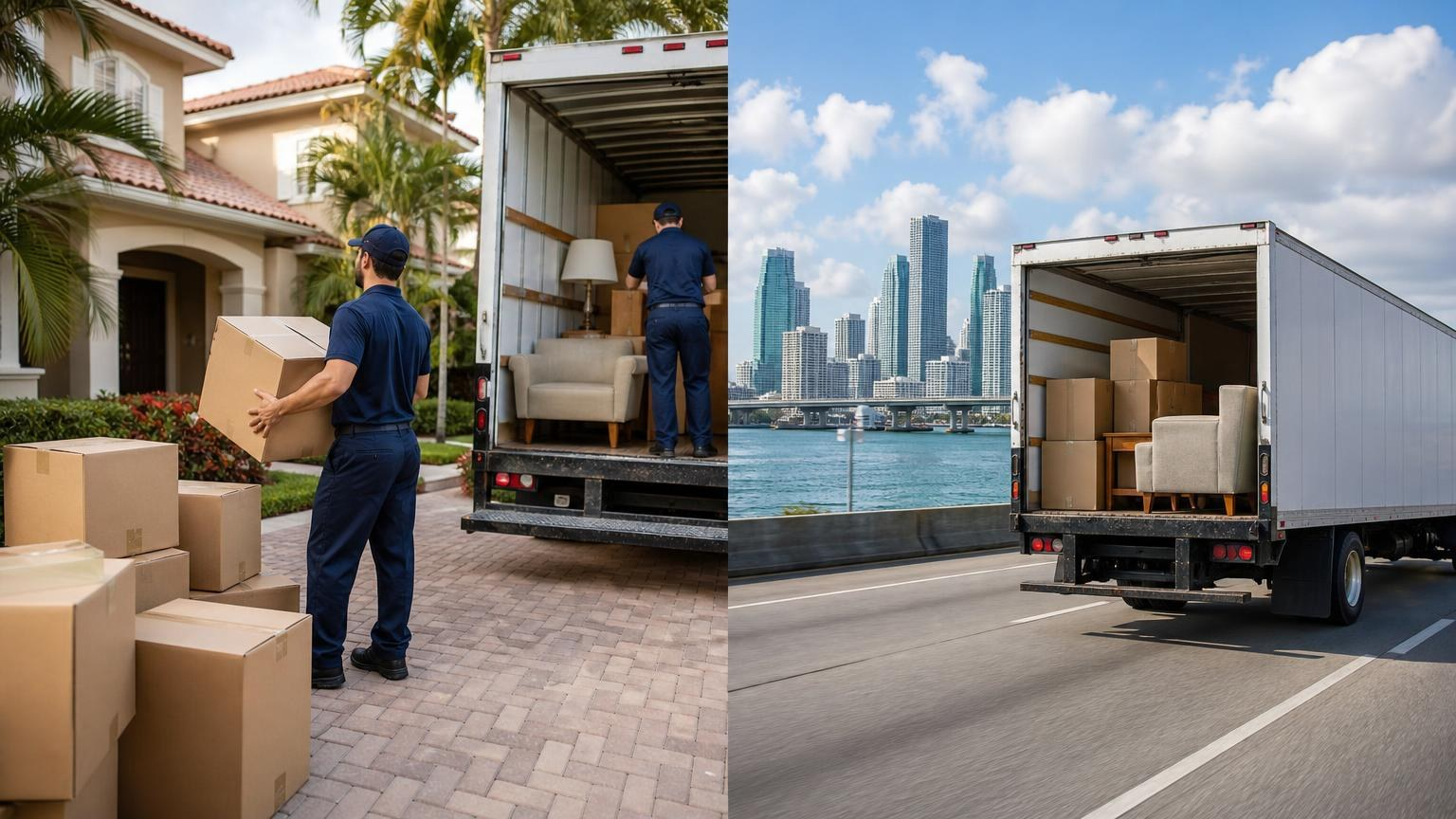

Miami has a way of pulling people in. Maybe it was a vacation that left you wondering why you ever went back to shoveling snow, or a job offer that made the decision easy. Whatever your reason, relocating to South Florida is a major life change that goes far beyond booking a one-way flight. The city’s energy is real, but so are the logistics of actually getting yourself, your stuff, and your life down here. This guide covers the practical reasons people make the move, the lifestyle trade-offs you should expect, and a realistic timeline for planning your relocation so nothing catches you off guard.
Why People Move to Miami
The reasons for moving to Miami have shifted dramatically over the past decade. What used to be a retirement destination or a spring break city has become one of the fastest-growing metro areas in the country for young professionals, remote workers, and businesses relocating from high-tax states. Between 2020 and 2025, Florida added roughly 1,000 new residents per day, and a significant chunk of those landed in the Miami-Dade, Broward, and Palm Beach tri-county area.
Part of that growth is structural. Florida has no state income tax, which is a straightforward financial incentive that’s hard to argue with if you’re earning a good salary in New York, California, or Illinois. But the tax advantage alone doesn’t explain the full picture. Miami has genuinely diversified its economy, built out its cultural infrastructure, and attracted enough critical mass that the city now sustains itself as a serious place to build a career, not just a place to escape winter.
That said, the city isn’t for everyone. The cost of living has surged, traffic along I-95 and the Palmetto Expressway can be genuinely brutal, and the summer heat is a different animal than anything you’ve experienced visiting in February. Understanding both the pull factors and the friction points will help you decide whether this move makes sense for your specific situation.
Job Opportunities
Miami’s job market in 2026 looks nothing like it did even five years ago. The city has become a legitimate hub for finance, tech, and healthcare, with major employers establishing or expanding their presence across South Florida. The Brickell Financial District now hosts offices from some of the biggest names in asset management, private equity, and fintech, many of which relocated from the Northeast. Companies like Citadel, which moved its headquarters from Chicago to Miami in 2022, brought hundreds of high-paying jobs and signaled to other firms that the city was open for serious business.
Tech has followed a similar trajectory. The “Miami Tech” movement that started gaining traction around 2021 has matured into a real ecosystem. You’ll find venture capital firms, startup accelerators, and co-working spaces concentrated in neighborhoods like Wynwood, the Design District, and parts of Coral Gables. The University of Miami and Florida International University both feed talent into the local market, and remote-friendly companies have set up satellite offices to attract employees who want the South Florida lifestyle.
Healthcare is another major employer. Baptist Health, Jackson Health System, and the University of Miami Health System are among the largest employers in the region, and the demand for healthcare workers continues to outpace supply. If you’re a nurse, physician, or healthcare administrator, you’ll find strong demand and competitive compensation packages.
Beyond these sectors, Miami’s traditional strengths remain intact:
- International trade and logistics, driven by PortMiami and Miami International Airport, which handles more international freight than any other U.S. airport
- Hospitality and tourism, which employs tens of thousands across hotels, restaurants, and entertainment venues
- Real estate and construction, which have been booming (and occasionally overheating) for years
- Creative industries, including film production, advertising, and design, fueled by the city’s visual culture and Art Basel connections
One honest caveat: wages in Miami still lag behind cities like New York, San Francisco, and Boston for many roles, even as the cost of living has risen sharply. The no-income-tax advantage helps close that gap, but run the numbers carefully before assuming you’ll come out ahead financially. A $120,000 salary in Miami might feel equivalent to $140,000 in a high-tax state, but if your rent jumps from $2,200 to $3,000 for comparable space, the math gets tighter than you’d expect.
Weather & Lifestyle
The weather is the obvious draw, and for about seven months of the year, it genuinely delivers. From late October through April, Miami’s climate is close to perfect: sunny days in the mid-70s to low 80s, low humidity, and almost no rain. This is the stretch that makes everyone on Instagram jealous and the reason snowbirds have been flocking here for generations.
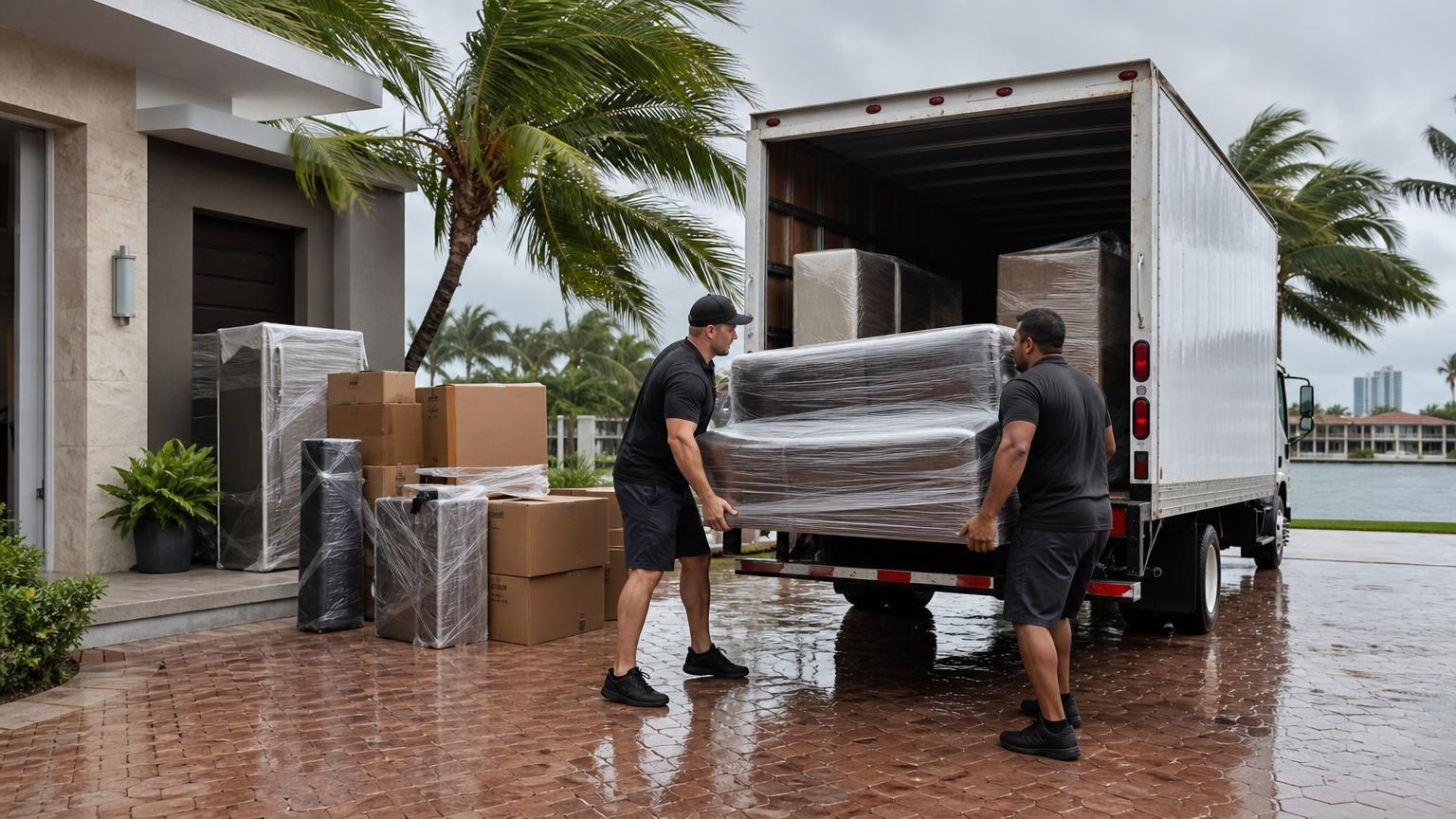
The other five months are a different story. June through September brings daily temperatures in the low to mid-90s with humidity that can push the heat index well past 100 degrees. Afternoon thunderstorms roll through almost every day like clockwork, usually between 3 and 5 PM. You’ll plan your outdoor activities around this pattern whether you want to or not. And then there’s hurricane season, which officially runs from June 1 through November 30. Miami hasn’t taken a direct hit from a major hurricane since Irma in 2017, but the threat is constant, and you need to take it seriously. Flood insurance, hurricane shutters, and an evacuation plan aren’t optional here; they’re part of the cost of living.
The lifestyle, though, is genuinely hard to beat if it aligns with what you value. Miami is an outdoor city year-round if you adapt to the heat. Kayaking through the mangroves in Biscayne Bay, cycling the Rickenbacker Causeway to Key Biscayne, paddleboarding off South Beach before work: these aren’t vacation fantasies, they’re Tuesday morning activities for people who live here.
The food scene has exploded. Beyond the Cuban staples that have always defined Miami’s culinary identity (ventanitas serving cortaditos and croquetas on every other block in Little Havana and Hialeah), you’ll find James Beard-recognized restaurants, omakase spots, Haitian griot in Little Haiti, and Colombian bakeries in Doral. The dining culture here is genuinely world-class and more affordable than comparable scenes in New York or LA.
Culturally, Miami has shed its reputation as a shallow party town. The Pérez Art Museum Miami (PAMM), the Institute of Contemporary Art, and the Bass Museum anchor a serious visual arts community. The Adrienne Arsht Center hosts touring Broadway shows and the New World Symphony. And yes, the nightlife is still there if you want it: clubs on South Beach, rooftop bars in Brickell, live music in Wynwood, and the vibe around Hard Rock Stadium on game days.
The trade-offs are real, though. Traffic is among the worst in the country, and public transit options are limited compared to cities like Chicago or DC. The Metrorail covers a narrow corridor, and Brightline connects Miami to Fort Lauderdale and West Palm Beach, but for daily commuting, most people are car-dependent. Insurance costs for both auto and home are among the highest in the nation, driven by hurricane risk, litigation trends, and flood exposure. These aren’t small line items; they can add $3,000 to $6,000 per year to your expenses compared to what you’d pay in a lower-risk state.
Planning Your Move Timeline
A successful relocation to South Florida requires more lead time than most people expect. If you’re moving from out of state, plan on a minimum of eight weeks from decision to move-in day, and twelve weeks is better if you want to avoid cutting corners. Here’s a realistic breakdown of what needs to happen and when.
Starting twelve weeks out, your priorities are research and housing. Miami’s rental market moves fast, and desirable units in neighborhoods like Brickell, Coconut Grove, Edgewater, and Coral Gables can get snatched up within days of listing. If you’re buying, the timeline extends significantly, and you’ll want a real estate agent who knows the hyper-local market. A condo in a high-rise on Brickell Avenue has completely different HOA structures, special assessment risks, and insurance requirements than a single-family home in Pinecrest or Palmetto Bay. Start your housing search early and be prepared to move quickly when you find the right fit.
At the eight-to-ten-week mark, focus on these logistics:
- Get quotes from at least three licensed interstate moving companies. Verify that each mover has a valid USDOT number through the Federal Motor Carrier Safety Administration (FMCSA) database. Any company that refuses to do an in-home or video survey before quoting is a red flag. “Hostage” situations, where movers load your belongings and then demand a higher price than quoted, remain a real problem in the industry.
- Expect to pay between $3,000 and $7,000 for a full-service interstate move from the Northeast or Midwest to Miami, depending on volume and distance. Specialty items like pianos ($400 to $800 extra), fine art requiring custom crating ($200 to $1,000+ per piece), and vehicles shipped on a carrier ($800 to $1,500) add up quickly.
- If you’re moving during peak season (May through September), book even earlier. Summer is when most people relocate, and availability gets tight.
Six weeks before your move, handle the administrative groundwork. Florida requires new residents to obtain a Florida driver’s license within 30 days of establishing residency. You’ll need to visit a local DHSMV office, and appointments fill up, so schedule one in advance. Vehicle registration transfers also need to happen within this window, and Florida requires that vehicles pass a VIN inspection.
This is also when you should research insurance. Florida law requires PIP (Personal Injury Protection) auto insurance, and you’ll want to shop around aggressively because rates vary wildly. For homeowners or renters insurance, get quotes that include windstorm coverage; some policies in Miami-Dade exclude it, and you’ll need a separate policy through Citizens Property Insurance or a private carrier.
Four weeks out, start the physical preparation:
- Begin packing non-essential items. Miami’s humidity is a serious concern for belongings in transit and storage. Use moisture barriers and silica gel packets inside boxes containing leather goods, electronics, books, and clothing. Avoid sealing clothes in plastic bags or plastic bins without ventilation, as trapped moisture in South Florida’s climate creates mold and mildew fast.
- Arrange for utility transfers or new accounts. FPL (Florida Power & Light) serves most of Miami-Dade County. Set up water service through Miami-Dade Water and Sewer. Internet providers vary by neighborhood, but AT&T Fiber and Xfinity cover most areas.
- If you have kids, research school enrollment deadlines. Miami-Dade County Public Schools is the fourth-largest school district in the nation, and magnet and charter school applications often have earlier deadlines than traditional zoned schools.
Two weeks before your move, confirm every booking. Call your moving company to reconfirm dates, arrival windows, and pricing. If you’re flying into Miami ahead of your belongings, book temporary housing or an extended-stay hotel near your new neighborhood. Areas around MIA (Miami International Airport) and along the Blue Lagoon corridor have plenty of short-term options.
The week of your move, focus on final details. Do a walkthrough of your current home for anything left behind. Keep essential documents, medications, valuables, and a few days’ worth of clothes with you rather than in the moving truck. If your belongings are arriving by truck, know that access can be tricky in some Miami neighborhoods. Many Brickell and Downtown high-rises have specific loading dock hours and elevator reservation requirements for move-ins. Confirm these rules with your building management well in advance, or your movers could be stuck waiting (and charging you for the delay).
Once you arrive, give yourself a full week to settle before trying to feel “normal.” Register to vote if you plan to establish Florida as your permanent domicile. Find a local doctor and dentist. Locate your nearest Publix (it will become your second home). And explore your neighborhood on foot or by bike before you form opinions about it from behind a windshield. Miami reveals itself differently at street level.
Making Your Miami Move Count
Relocating to South Florida is one of those decisions that can genuinely improve your quality of life, but only if you go in with clear expectations and solid preparation. The city rewards people who do their homework: those who understand that the sunshine comes with hurricane prep, that the tax savings come with higher insurance costs, and that the vibrant culture comes with traffic that will test your patience.
Start your planning early, vet your moving company thoroughly, and budget for the hidden costs that catch most newcomers off guard. If you’re making this move in 2026, you’re joining a city that’s still growing, still evolving, and still figuring out what it wants to be. That’s part of what makes it exciting. Get your timeline right, protect your belongings from the humidity, and give yourself grace during the adjustment period. Miami doesn’t hand you its best on day one, but once you find your rhythm here, it’s hard to imagine living anywhere else.